
South East Queensland’s property market continues to attract home buyers, developers and property investors keen to capitalise on impressive property value growth.
From chic coastal apartments to mid-century homes on stumps, the state offers something for everyone.
However, along with enormous opportunity comes hidden structural risks – one of the most significant of which is concrete cancer.
For Queensland property experts advising clients, understanding concrete cancer is critical. Left undetected, it can compromise structural integrity, create major financial liabilities and derail otherwise profitable deals.
What Is concrete cancer?
Concrete cancer is the term used to describe the deterioration of reinforced concrete.
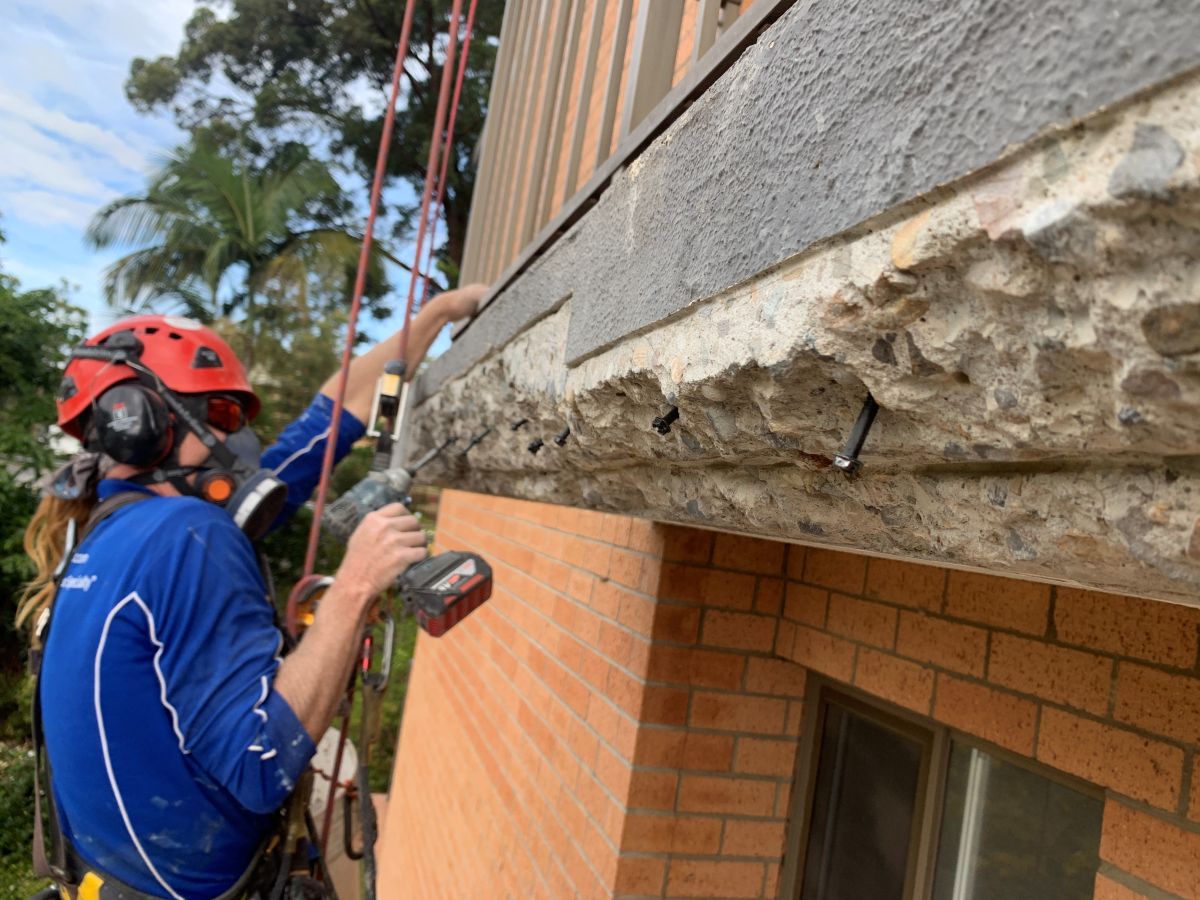
When steel embedded in concrete begins to rust, it expands. This expansion creates internal pressure, causing the surrounding concrete to crack and break away.
South East Queensland’s coastal climate makes properties particularly vulnerable.
Salt-laden air, humidity, and frequent rainfall accelerate corrosion, especially in older buildings constructed before modern waterproofing and durability standards were adopted.
How to tell if a property has concrete cancer
When visible concrete cancer is present, you’ll typically see warning signs such as:
- Cracking concrete
- Rust stains leaching through surfaces
- Bulging or flaking concrete
- Exposed reinforcement steel
However, the most serious damage often occurs in hidden structural components.
Early detection is crucial – and surface appearances can be deceptive.
A thorough building inspection conducted by a qualified inspector with experience in Queensland construction is the first step. For property professionals, encouraging clients to invest in comprehensive pre-purchase due diligence protects both asset value and professional reputation.
Causes of concrete cancer
Several environmental and construction-related factors contribute to concrete cancer in Queensland properties, for example:
- Moisture penetration – When moisture reaches reinforcing steel, oxidation begins. Over time, this corrosion weakens structural elements.
- Salt exposure – Coastal properties across South East Queensland are at heightened risk due to airborne salt particles. Even homes several kilometres inland can be affected.
- Carbonation – Carbon dioxide from the atmosphere reacts with concrete over time, reducing its alkalinity and removing the protective barrier around steel reinforcement.
- Drainage issues – Poor site grading, blocked stormwater systems, rising damp and inadequate subfloor ventilation are common contributors. Drainage issues can allow water to pool around foundations, stumps, suspended slabs and retaining walls, accelerating internal corrosion.
- Construction defects – Inadequate concrete cover over reinforcement, poor compaction or substandard mixes can significantly reduce durability. Many older Queensland properties were built before stricter building codes addressed these concerns.
Risks of concrete cancer
The risks of concrete cancer extend far beyond cosmetic cracking. For buyers and investors, the structural and financial consequences can be severe.
Concrete cancer can affect the structural integrity of a building. For example, corroding reinforcement reduces load-bearing capacity, which can affect suspended slabs, balconies, structural beams and columns, retaining walls and underground car parks. Damage can also occur in hidden areas such as stumps and foundations, particularly where moisture is trapped beneath homes. Concrete stumps exposed to rising damp or poor drainage may deteriorate internally before visible signs appear.
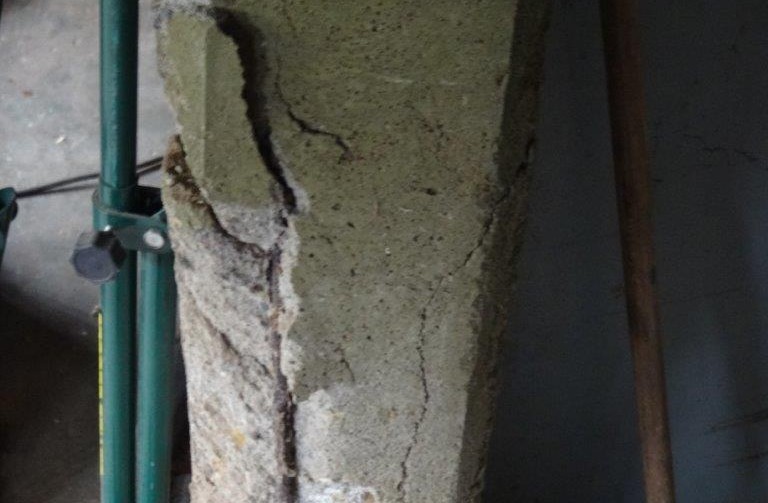
Concrete cancer is especially significant in multi-storey developments. Defects in high rise waterproofing systems, including membrane failures on rooftops, balconies, planter boxes and podium slabs, allows water ingress that can go undetected for years.
Appropriate high rise waterproofing is important to protect these high value, high risk investments, helping investors to avoid costly repairs or risk to people and property.
Concrete cancer is a significant but manageable risk in South East Queensland’s property market. With the region’s coastal exposure, humidity and diverse building stock, the issue is more common than many buyers realise.
For Queensland property experts, proactive education and rigorous due diligence are critical.
In a competitive market, knowledge is power – and when it comes to concrete cancer, buyer beware is more than a cliché.
It’s essential risk management.