

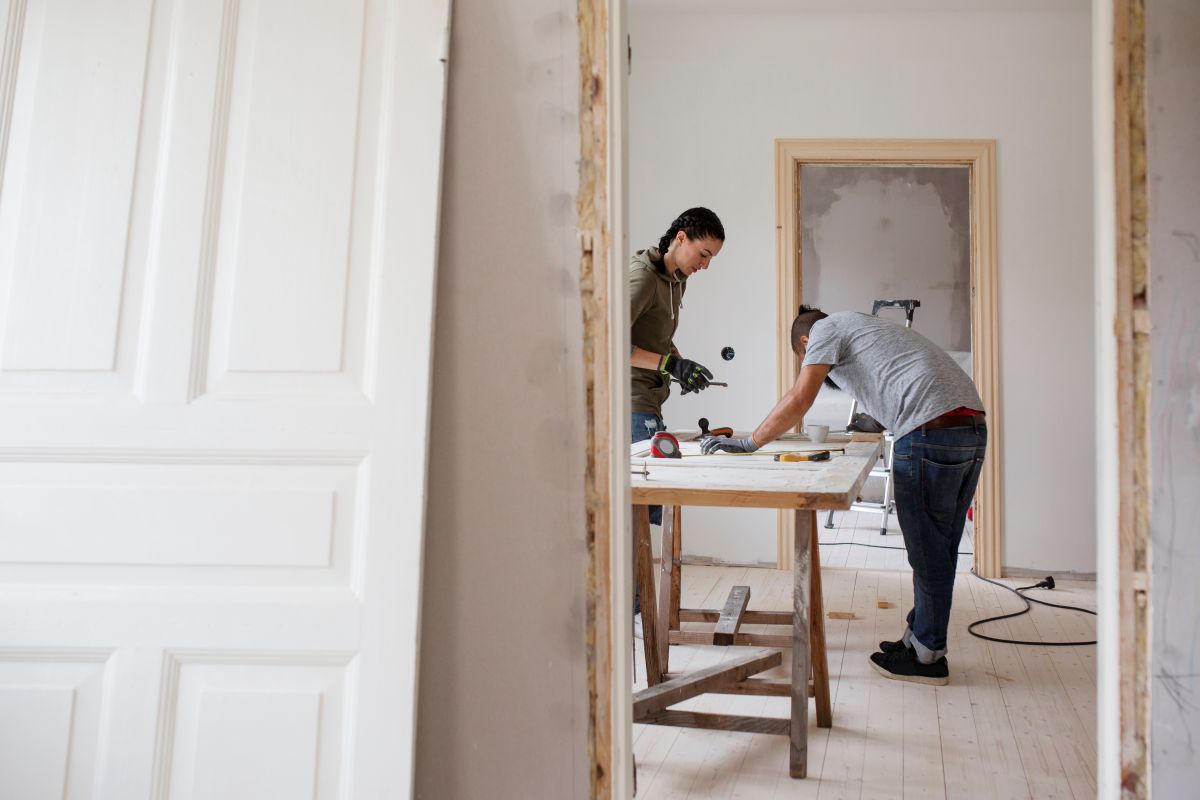
If you’re in the market for your first home, you might be inspired by the glamorous notion of buying a fixer-upper home thanks to the wealth of TV reno shows. Certainly, you may be able to nab yourself a ‘diamond in the rough’ on the cheap, but it may be hiding some very costly secrets. With the most recent series of The Block finishing up on our screens, the auction results are certainly a big motivator for trying your hand at your own fixer-upper. Yet, what may seem easy on the screen is anything but easy in real life. There is a lot of behind-the-scenes work that gets edited out to produce a TV property show. If anything, working on a fixer-upper is 80% tough, dirty work; the styling is only the garnish on the top of what is required to get a home looking a million bucks.
But don’t let the prospect of hard work deter you from purchasing your fixer-upper in Brisbane. Before you head down that path of considering renovating, here are some things you need to think about.
Consider your ‘why?’
It’s important to consider why you want to purchase a fixer-upper home because this will help determine how much you want to spend.
Is it because you want to live in the neighbourhood? Are you planning to renovate and put it back on the market? Maybe you aim to do it up and rent it out. If you intend to live in the property as your ‘forever home’, you most definitely won’t want to cut corners (i.e. paint over existing kitchen cupboards instead of replacing them with new ones).
If the home is to be sold, you may choose to do a cosmetic renovation to ensure you reap the financial rewards at auction. Bear in mind, the cosmetic renovation needs to abide by building laws, and your house may be subject to a house inspection before the sale goes unconditional. Be proud of what you are offering a new homeowner, and ensure the cosmetic renovation is worth the time and money you spend on it. Sometimes, demolishing and replacing from scratch is better than prettying up a tired area.
Pre-purchase building inspection
Before you decide what to do with your fixer-upper, book a Brisbane property inspection. Going into your purchase forearmed with a comprehensive building inspection report is the first step. An inspection will alert you to any lurking problems or future pitfalls so you can better inform your purchase decision. Who knows, it might even be the bargaining chip you were hoping for to secure a lower purchase price on your dream home.
Here are a couple of the major issues to keep an eye out for as you’re searching for your dream fixer-upper home.
Structural issues
Just like your own skeleton, if there’s trouble with the bones, there’s big trouble. Things may look fine on the outside, but structural damage or weakness is a serious and potentially very expensive problem. No problem if you have an unlimited budget, but for most of us, there is a finite amount of money in the kitty. If you’ve blown it all simply keeping your house upright, that’s not going to feel very good. As a building inspector moves through your prospective new home, they will keep an eye out for cracks in the bricks or mortar of the exterior walls, improper drainage, dampness, evidence of leaks, uneven gaps around the doors, and windows that don’t open or close properly. Property defects are not always easy to spot and often require an extremely experienced eye to identify.
Compliance issues
Perhaps your potential new fixer-upper home appears structurally sound, but it has some extensions or recently renovated areas that may warrant closer inspection. You need to be certain that these home improvements have been performed in accordance with council regulations and are not going to end up as a costly headache for you. Your experienced local building inspector will be well-versed in the local legislation and will be able to advise you on how best to proceed. Illegal alterations may become your problem upon purchase if they contravene building regulations, so the sooner you can be made aware, the better.
Adding to this, the surrounding greenery on your prospective property will also require consideration. It is possible for beautiful old trees to be both a blessing and a curse. Whilst they look wonderful, and add a certain natural charm to your property, without an experienced eye, there is no telling how they are interacting with the structure of your home, or what you will be able to do about them in accordance with council regulations.
Plan a renovation budget
If you’re determined to go ahead, make sure you plan a renovation budget. One of the biggest downfalls to the fixer-upper lifestyle is not sticking to a budget or having no budget at all. Budgets are important for many reasons, but especially if you are renovating for profit. You will need to keep a track of spending if you’re going to ensure you recoup your money at the sale.
You should also allow extra in the budget for unforeseen issues that will come up on-site. Not all renovations go to plan. Once the walls come down, a house can reveal some interesting stories. Sometimes, many elements will need to be replaced before you can consider renovation. Keep a buffer in the budget for these little surprises.
Time management
Renovating shows like The Block and House Rules can give unrealistic time frames when it comes to renovating a house properly. It’s important to be realistic about your time frame to avoid stress and unnecessary mistakes. Deadlines are good, but unrealistic ones can cause tradespeople to make mistakes.
For example, a bathroom renovation does not take a week to complete. It will take between 3 to 6 weeks, depending on the availability of products, tradies and the competence of your project manager. Get realistic figures from your builder to create a renovation timeline.
Will you project manage the renovation, or will you outsource the role?
Many fixer-upper owners will want to project manage their renovation to save some money, but this can be detrimental to the budget and overall time management. Consider using the skills of an experienced professional to project manage the work, as they will know the correct sequence of booking tradies and what needs to happen when.
After a few renovations, you may find you feel more experienced enough to take over the project management. Learn from the professionals and give yourself time to build your confidence. Your first fixer-upper should be project-managed by your builder.
Can you compromise on living in a construction zone?
One of the most frustrating parts of renovating your home is living in a constant construction zone. This may not be ideal for you, so consider whether you can live in a messy home for a few months or whether you need to move offsite. One will frustrate you, while the other will incur more costs because you will need to rent another premises.
A fixer-upper project can be a daunting, but incredibly satisfying experience. The first experience is always the hardest because it’s a steep learning curve, but the satisfaction of finding a solution to a problem or working through a struggle will give you confidence that can be taken into your next project.
The renovating bug can be contagious. Whether you watch a TV show or know of a friend who has done well from renovating houses, the fixer-upper bug can hit anyone at any time. But it’s important to be mindful of the sacrifices it will take to get your house from slanting to outstanding. Patience will be your virtue during the whole process. The struggles will be real, but the satisfaction of completion and producing a home people want to live in will far outweigh any of the negatives experienced throughout.