

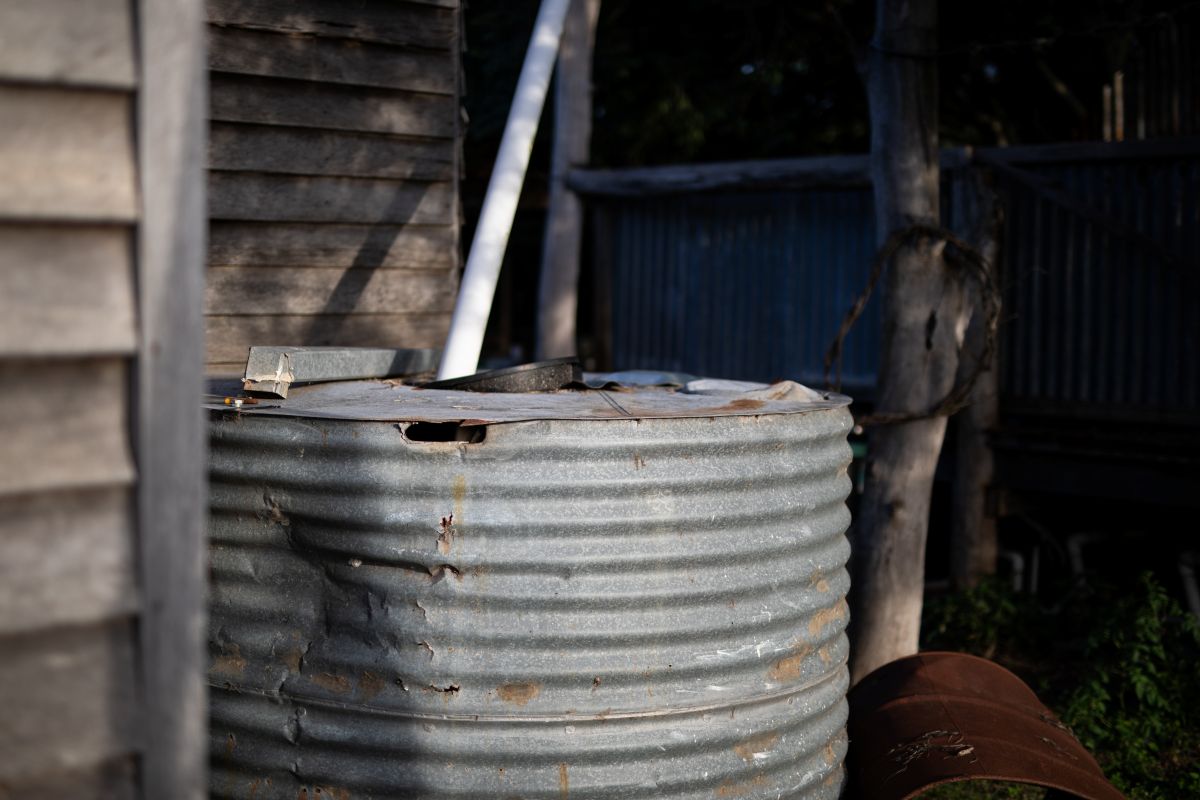
As any Queensland property owner knows, our weather can be unpredictable. From wet summer storms and flood events to dry spells and droughts that stretch on for months. That’s why having a reliable rainwater tank isn’t just a ‘nice-to-have’ — it could make a real difference to how you manage water on your property.
Benefits of a rainwater tank
If you already own a rainwater tank, you’re aware of the advantages a quality system delivers. Rainwater tanks capture and store natural rainfall for domestic, commercial and agricultural use, significantly reducing reliance on mains water while providing a dependable, cost‑effective supply, particularly valuable in drought‑prone regions.
For residential properties, rainwater tanks cut mains water consumption and reduce household water bills. In agricultural settings, stored rainwater supplies clean, untreated water that supports crop health and maintains reserves through dry periods.
Signs you might need a new rainwater tank
Knowing when to replace your rainwater tank is crucial to maintaining a reliable water supply.
- Visual signs of wear – typically includes visible cracks, leaks, or corrosion, often caused by heat or heavy rainfall, which may appear as pooling water or damp soil.
- Declining water quality – unusual odours, tastes, sediment, or discolouration, can indicate internal water tank deterioration despite regular cleaning and filter maintenance.
How rainwater tanks have evolved
Rainwater harvesting has long been encouraged across Queensland, though state‑wide rebates for household tanks are no longer universally available; some regional councils still offer water tank rebates. Modern rainwater tanks have evolved far beyond basic storage, with materials like stainless steel and durable plastics offering long lifespans and reduced risk of corrosion or leaks. Systems installed today commonly include more effective filtration and pump options that deliver consistent pressure and reliable performance for everything from garden irrigation to internal plumbing.
Rainwater tank solutions
Today’s tank options are more flexible than ever, offering configurations that suit inner-city blocks, rural stations off the water grid or anything in between. If you think your tank has reached the end of its lifespan, or you want to upgrade to a new rainwater tank to maximise the benefits, choosing the right plumber to handle the installation is a key consideration.
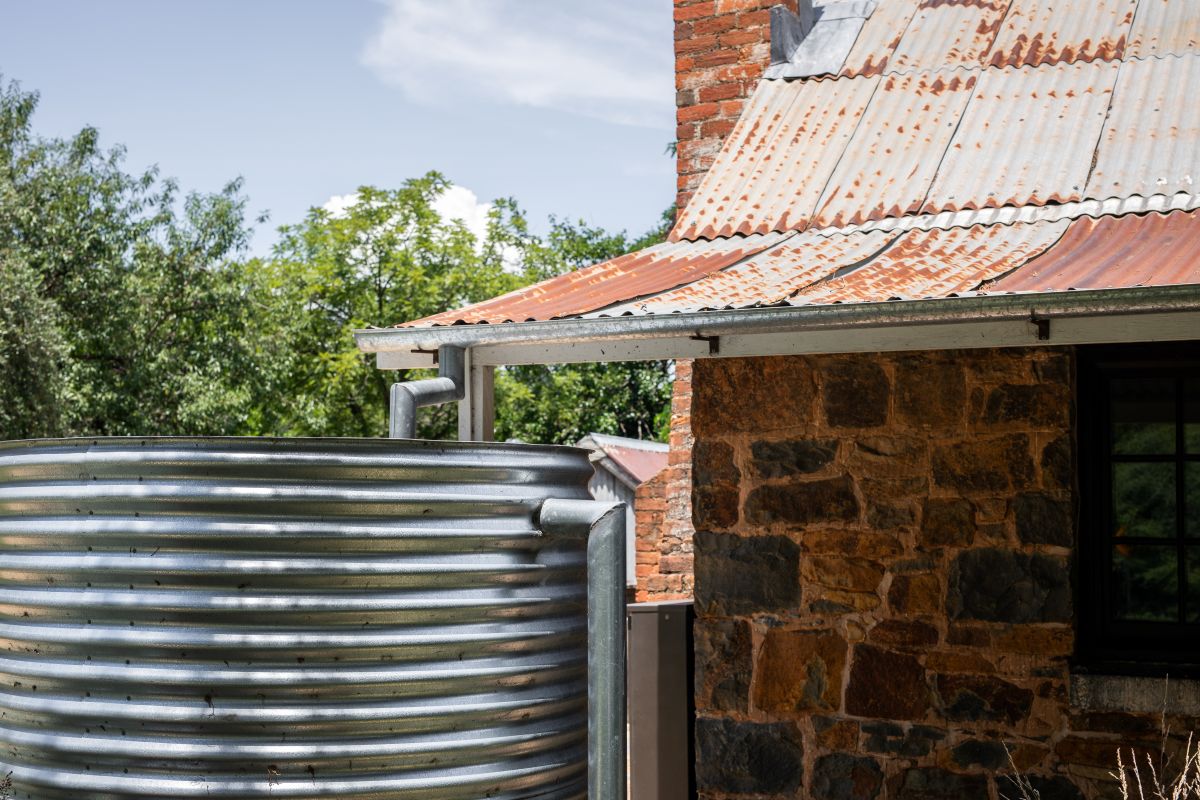
What to know about upgrading your system
When upgrading a rainwater system, the main considerations are tank size, tank type, and whether a pump is needed. Upgrades often involve replacing an old or undersized tank or adding storage capacity, so rainwater can be used more effectively for garden irrigation, toilet flushing, laundry or pool use.
You will find a large range of rainwater tanks, including stainless steel, plastic, and Eco Sac bladder tanks, allowing upgrades to suit different spaces and needs.
- Stainless steel tanks provide long-term durability, allowing water to remain cooler even in scorching temperatures. For the environmentally conscious, stainless steel water tanks can be disposed of responsibly at the end of their life.
- Plastic rainwater tanks are lighter and more cost-effective, and very easy to install. However, they need a more stable foundation for placement and are not as effective at keeping water cool during summer months.
- The Eco Sac is a remarkably flexible rainwater solution, a “bladder” tank that allows for discreet storage under floors or decks and is relatively maintenance-free.
The upgrade process typically includes disconnecting and removing the existing tank, installing the new tank, and reconnecting downpipes and plumbing. Pump upgrades are also common, improving water pressure and making rainwater more practical for household or garden use.
While upgrading is not usually a DIY task, licensed plumbers manage the process efficiently, including tank removal, installation, and pump setup, making the upgrade straightforward for homeowners. If you need to replace your rainwater tank, or simply get professional advice on the best rainwater solution for your home or property in Brisbane, contact Salmon Plumbing.